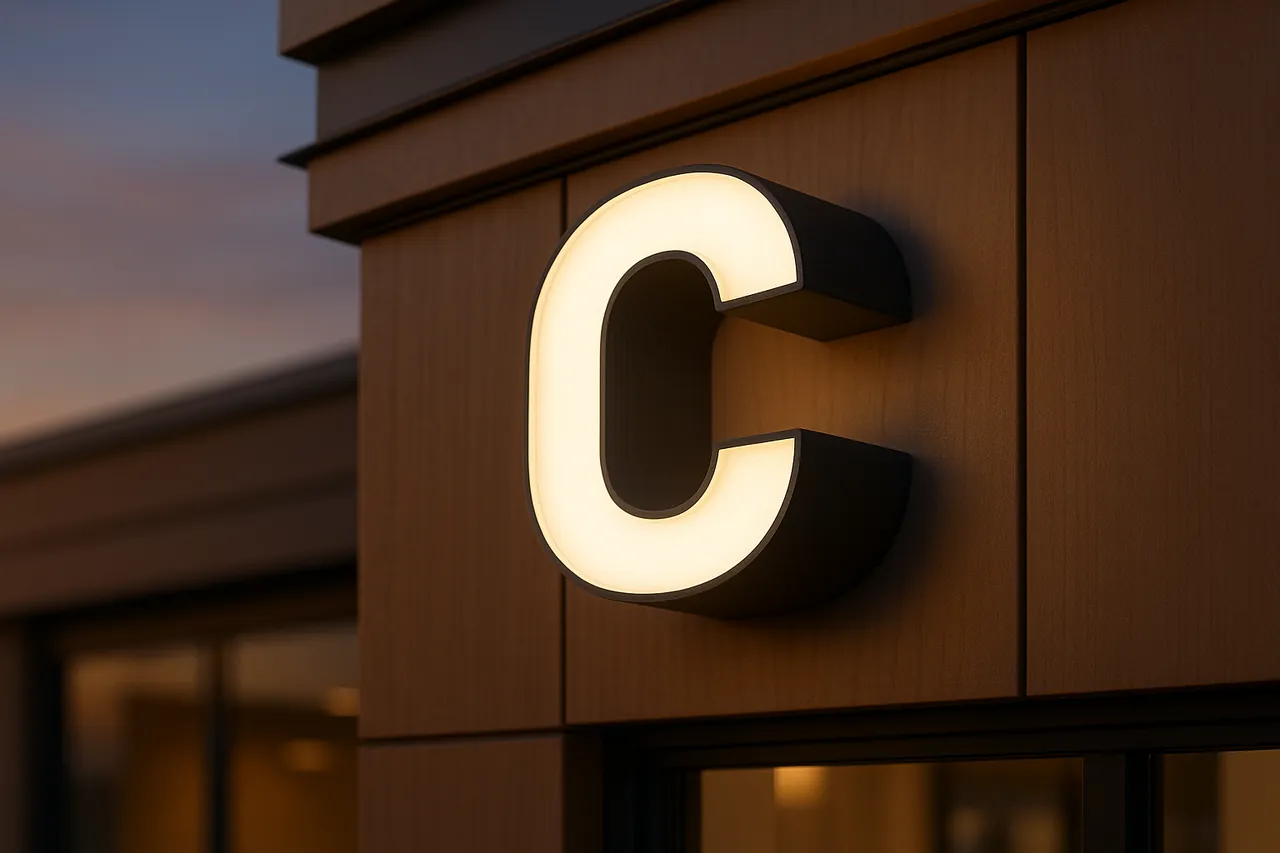
Your business, glowing day and night
A shop without a sign is an invisible shop. At PifagorLab we make illuminated signs with a technique that is reshaping the industry: 3D printed letters with integrated LED lighting. The result looks identical to traditional aluminium channel letters — but lighter, faster to produce and considerably cheaper.
Why a 3D printed sign
- Price: no moulds, no hours of manual bending. A sign that costs €1,500 in traditional signage can come in at less than half.
- Weight: hollow printed letters weigh little, simplifying installation and reducing anchoring.
- Total design freedom: impossible curves, textures, reliefs, custom light diffusers. If your logo exists, we can build it.
- Repairable: one letter damaged? We reprint that letter, not the whole sign.
Sign types we produce
- Backlit channel letters (halo effect) for facades and interiors
- Illuminated wall logos for receptions, shops and restaurants
- Desktop and bar signs for events, weddings and trade fairs
- Lightboxes with custom fronts
- Backlit interior signage: room numbers, wayfinding, menus
For hospitality, retail and offices across the Canaries
We work with restaurants, hair salons, gyms, clinics, shops and hotels across the archipelago. In Tenerife we also handle installation; to other islands we ship the sign ready to mount, with template and pre-wired connections.
Got a great logo but an embarrassing website? We’re part of Pifagor Studio: sign, website and branding from a single team.
Typical briefs and how we solve them
A unit in a shopping centre: when weight decides the sign
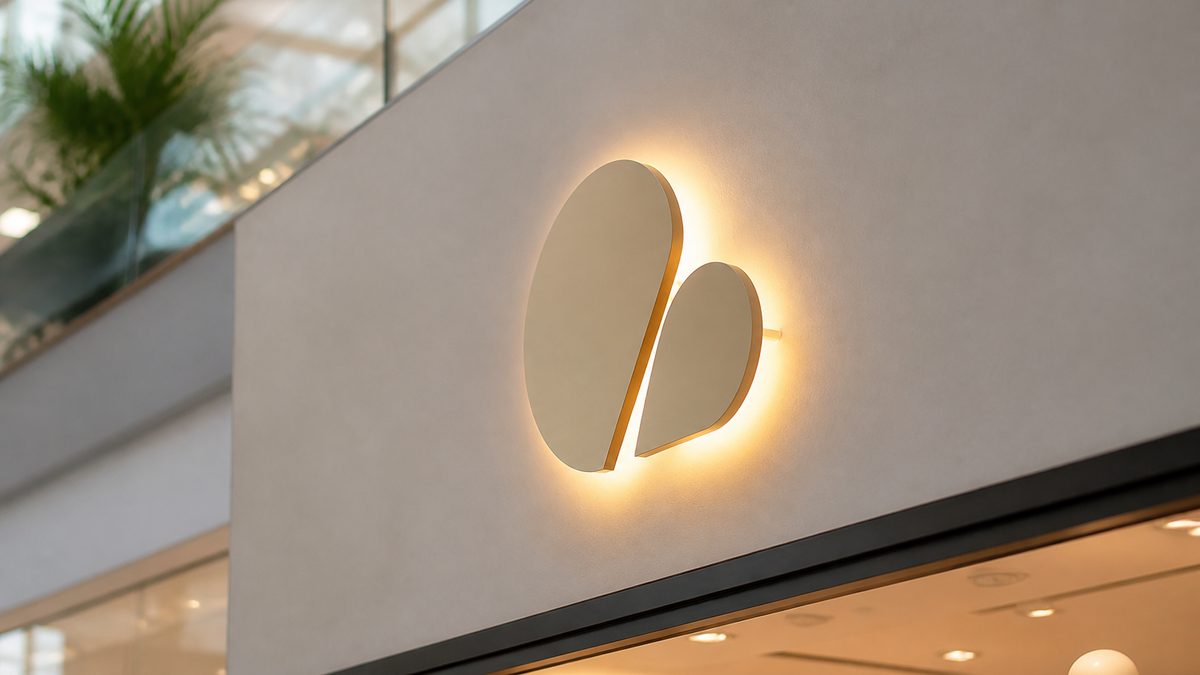
The situation. You sign for a unit in Meridiano, Siam Mall or Gran Sur and management hands you the signage manual: maximum dimensions and projection, no on-site welding, fire-rated wiring and making the wall good on exit. What really shapes the result is not aesthetics but weight — interior shopfronts in these centres are plasterboard or composite panel, not load-bearing walls.
Two routes. Aluminium built-up letters look immaculate and last decades, but they are heavy, need many anchors and leave the wall perforated. Letters 3D printed in PETG weigh around a third, need half the fixing points and come off without wrecking the surface. In return, under direct sun outdoors powder-coated aluminium ages better.
What we propose. For shopping centre interiors 3D printing usually wins: fewer anchors, easier approval and clean removal when the lease ends. We supply the anchor drawing and the material sheet management asks for. Typical lead time: 7-10 working days from design sign-off. The full approval circuit is covered in shopping centre signage.
An exterior facade in the Canaries: sun, salt and wind
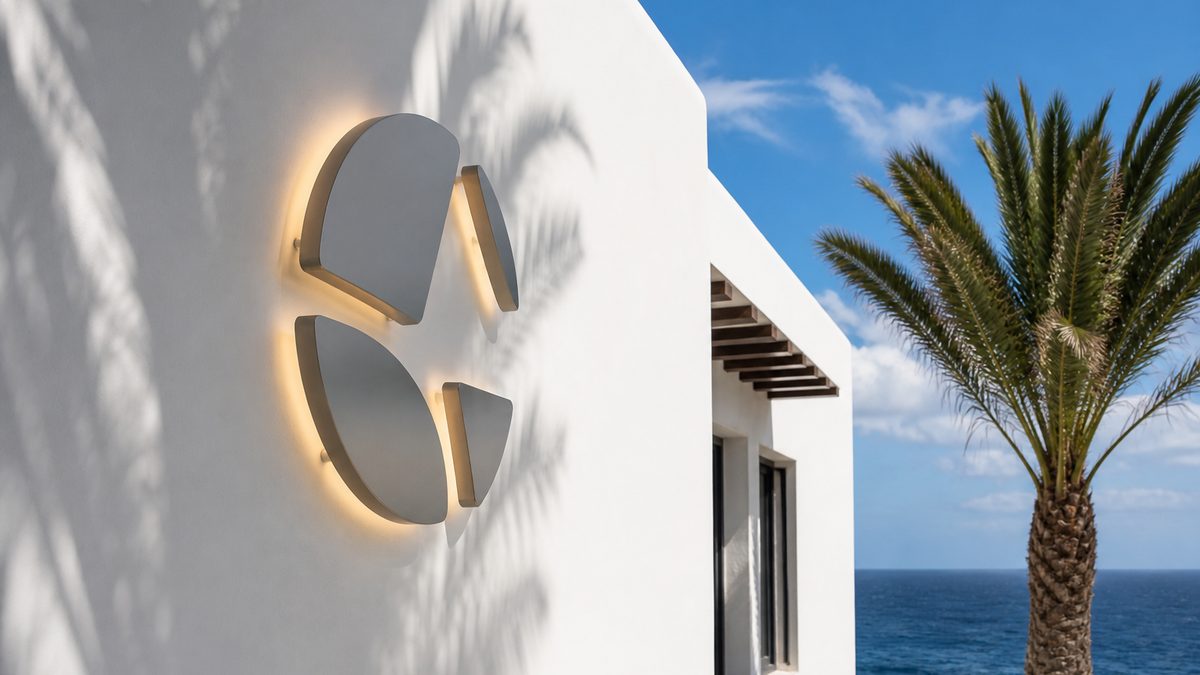
The situation. A sign on the coast lives in conditions that simply do not exist inland: high UV all year, salt-laden air and gusts that punish every fixing. The cheap PLA of an indoor sign turns brittle within a couple of summers and yellows.
What survives. For outdoors we work in ASA, which holds up to UV without yellowing, or with an acrylic face over a printed structure on larger pieces. Screws and threaded rod are stainless steel — ordinary steel bleeds rust streaks down the facade within months. We seal the cable entries and slope the caps so water cannot pool.
What you get. A sign built for five to ten years on the coast, with LED modules reachable for replacement without dismantling the whole piece. If you are weighing formats and budgets, the comparison of LED sign types gets straight to the point.
Bar or restaurant: the neon look without neon’s drawbacks
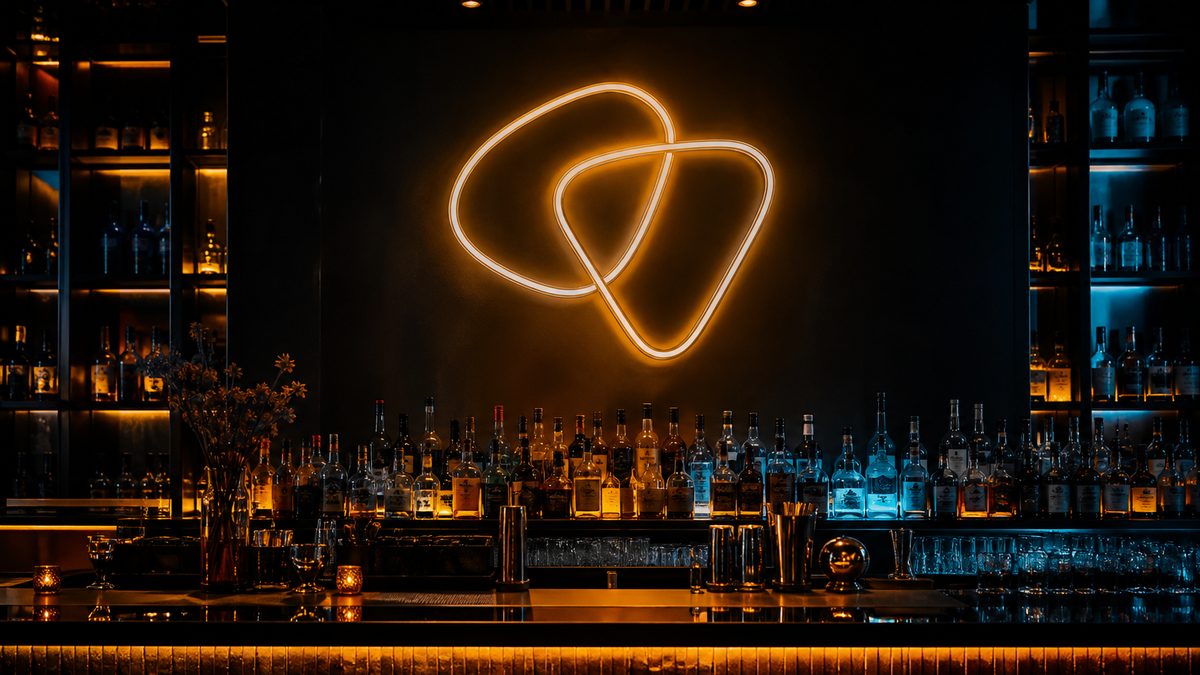
The situation. You want the feel of classic neon behind the bar or on the terrace, but glass neon is fragile, expensive to repair, runs on high voltage and one knock puts it out of service.
The alternative. Flexible LED neon reproduces the continuous stroke in silicone with low-voltage diodes: it does not burn to the touch, draws a fraction of the power, and a damaged run is replaced section by section. It bends cold onto a 3D printed backing cut to the exact shape of your logo or phrase.
Honest trade-offs. Real neon has a glow and halo that LED imitates well but does not clone outright; if you want a collector’s piece, say so up front. For hospitality, though, LED wins on running cost, safety and maintenance. Typical lead time: 5-8 working days. Ballpark figures in the price calculator.
What does an illuminated sign cost?
The price depends on three things: size, the type of lighting (backlit, front-lit or LED neon) and whether it lives indoors or outside. A small custom light-up sign for an interior sits in a completely different bracket from built-up facade letters.
Tell us what you need and we come back with a firm price and lead time within 24 working hours: send the logo, rough dimensions and a photo of the spot. If you want a ballpark first, the price calculator gives an instant estimate, and on the contact page you can attach files directly.